

Type: Kremy do twarzy
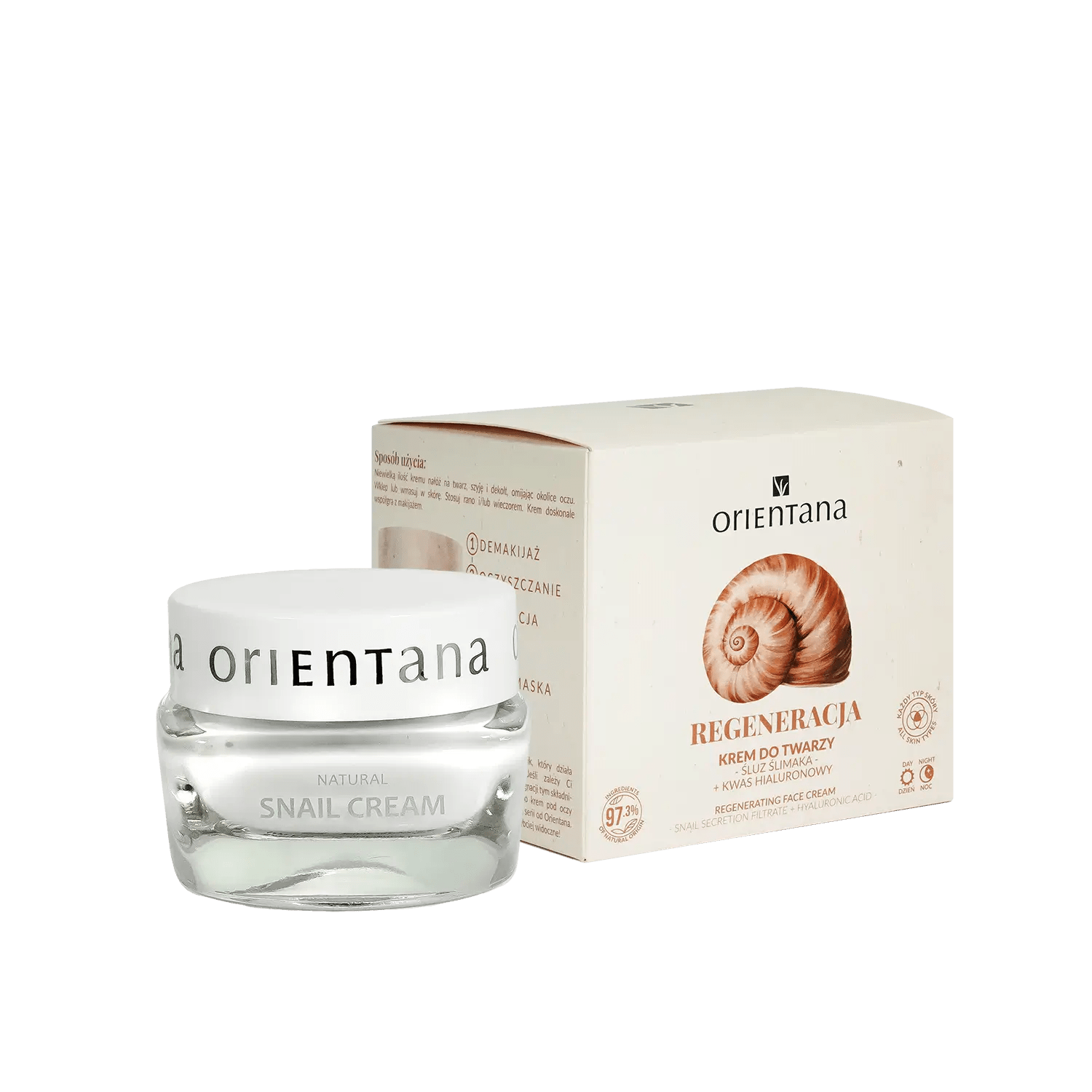
Natural face cream SNAIL SLIME 50 ml


Type: Kremy do twarzy
Sandalwood and Turmeric Face Cream 50 ml


Type: Kremy do twarzy
Nourishing face cream ASHWAGANDHA 40 ml


Type: Kremy do twarzy
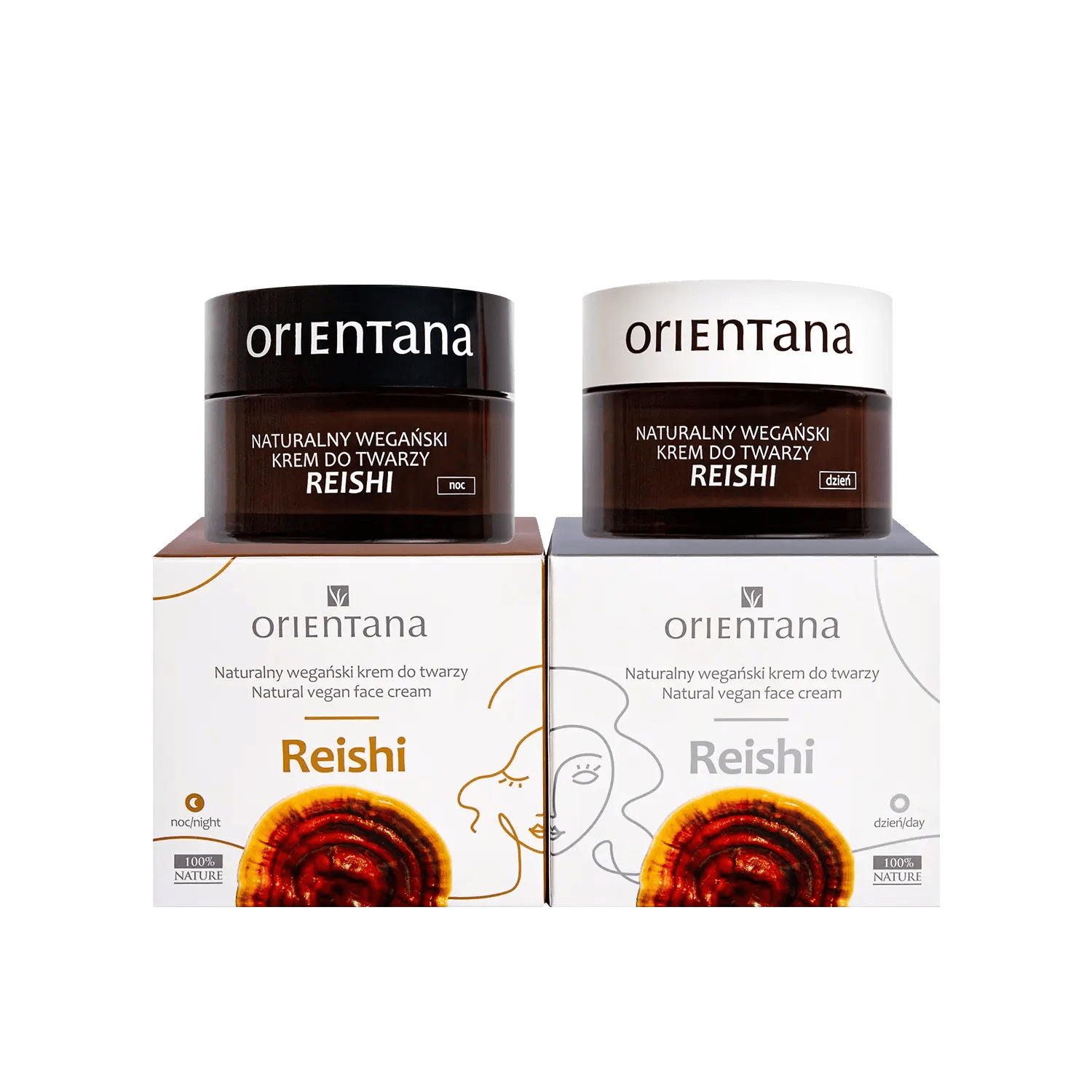
REISHI Natural Vegan Night Face Cream 50 ml
Type: Sera do twarzy
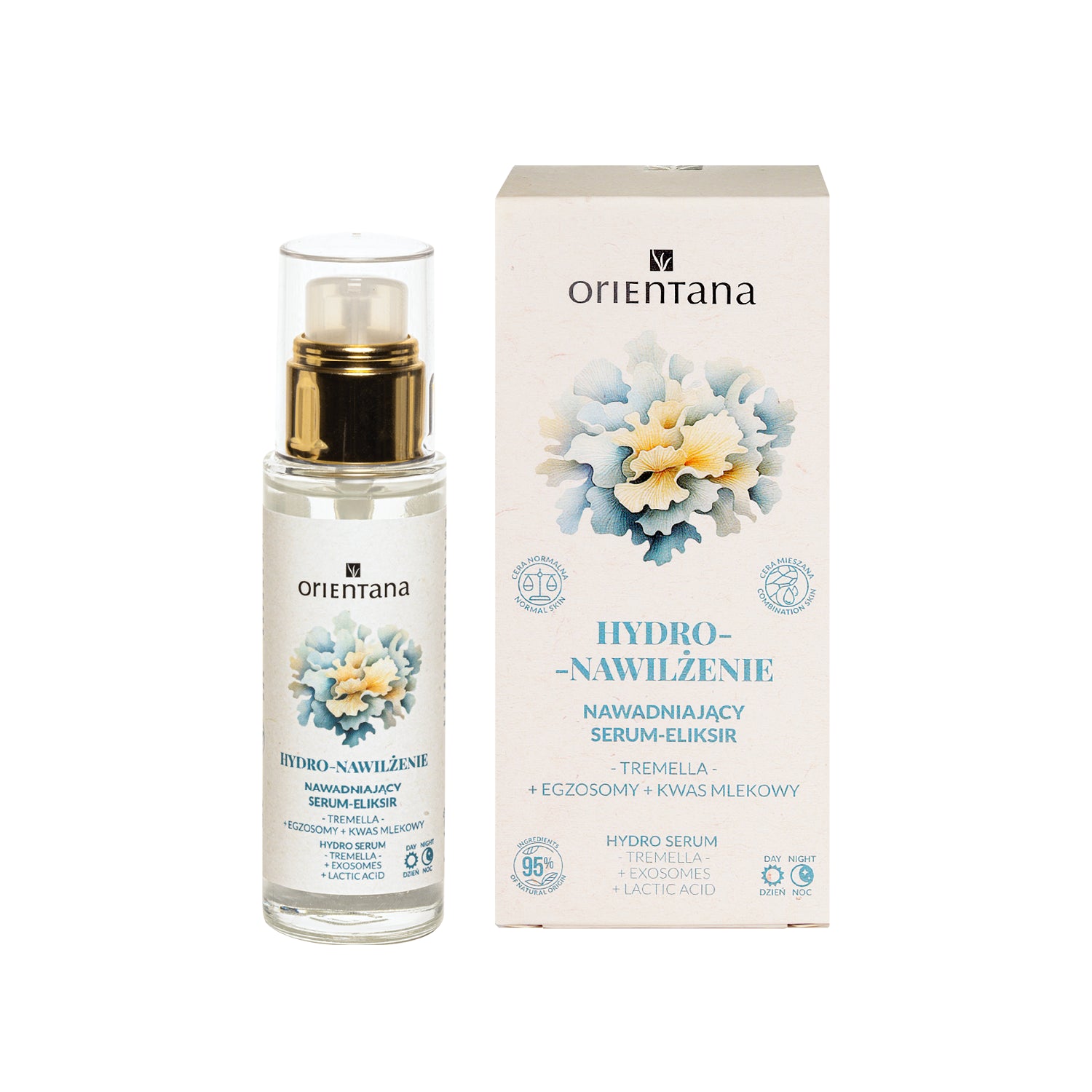
Elixir Moisturizing Serum Tremella Exosomes Lactic Acid 30 ml
Type: Żele i pianki do mycia twarzy
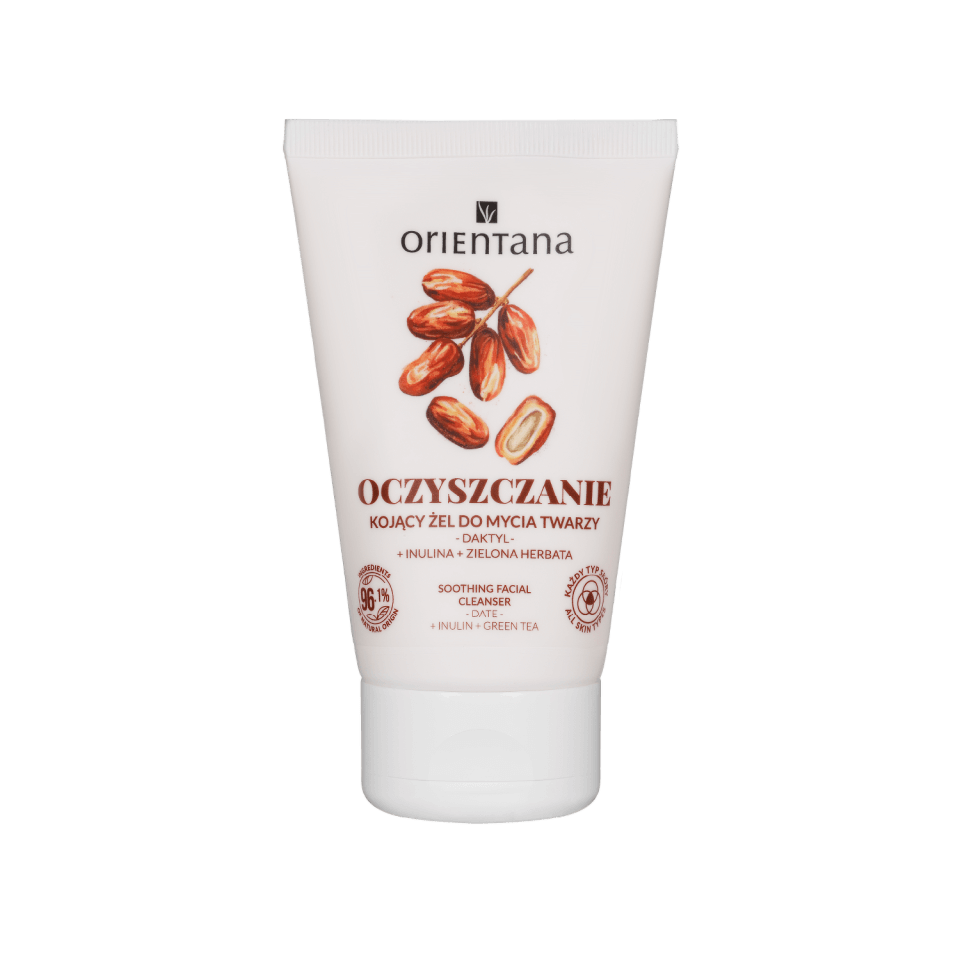
Soothing facial cleansing gel with inulin, green tea and date 125 ml


Type: Kremy do twarzy
REISHI Natural Vegan Day Face Cream 50 ml


Type: Sera do twarzy
Antioxidant serum-ampoule ASHWAGANDHA CICA NIACINAMIDE 30 ml
Type: Maski i peelingi do twarzy
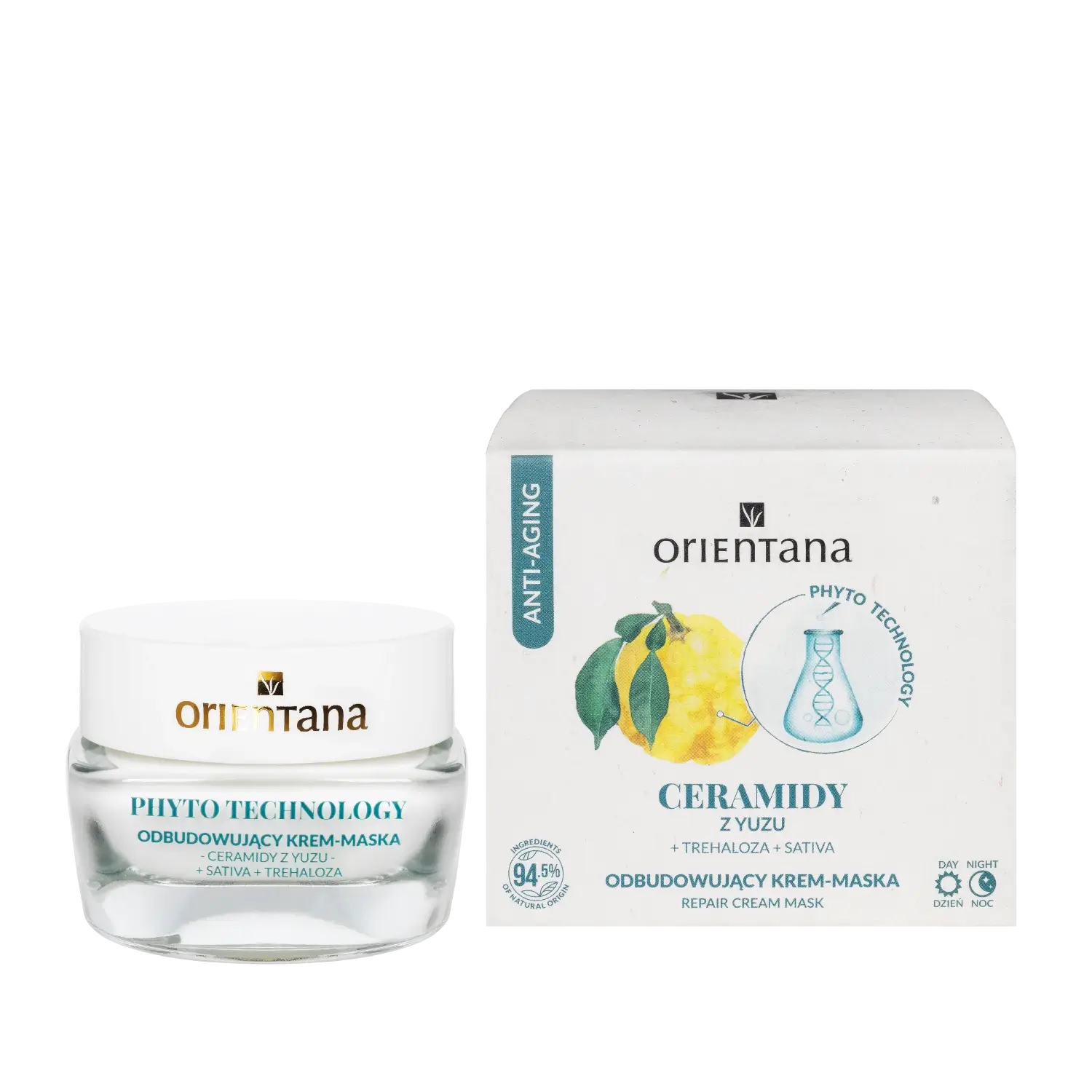
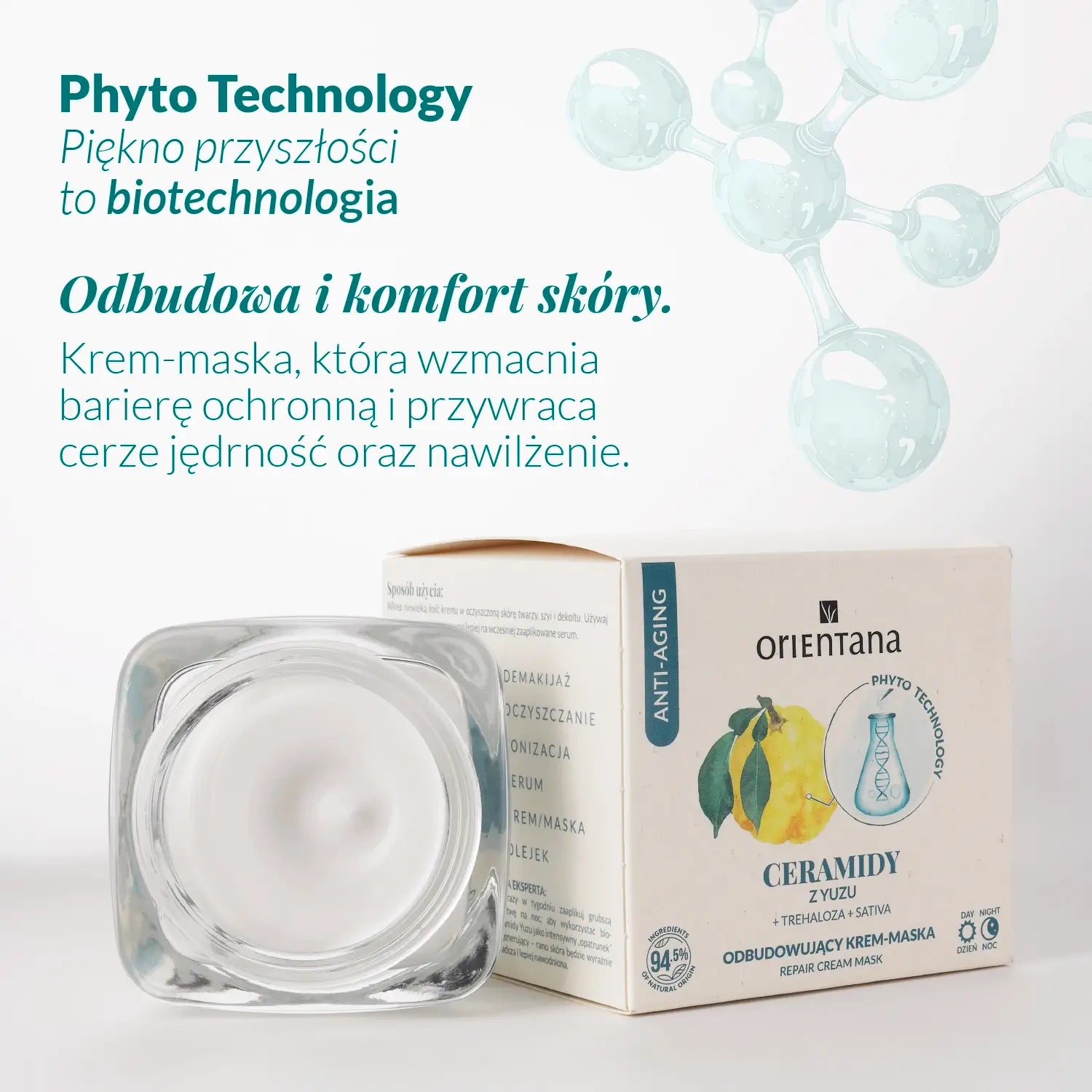
Odbudowująca maska z ceramidami yuzu + sativa + trehaloza 40 ml
Type: Zestawy kosmetyków
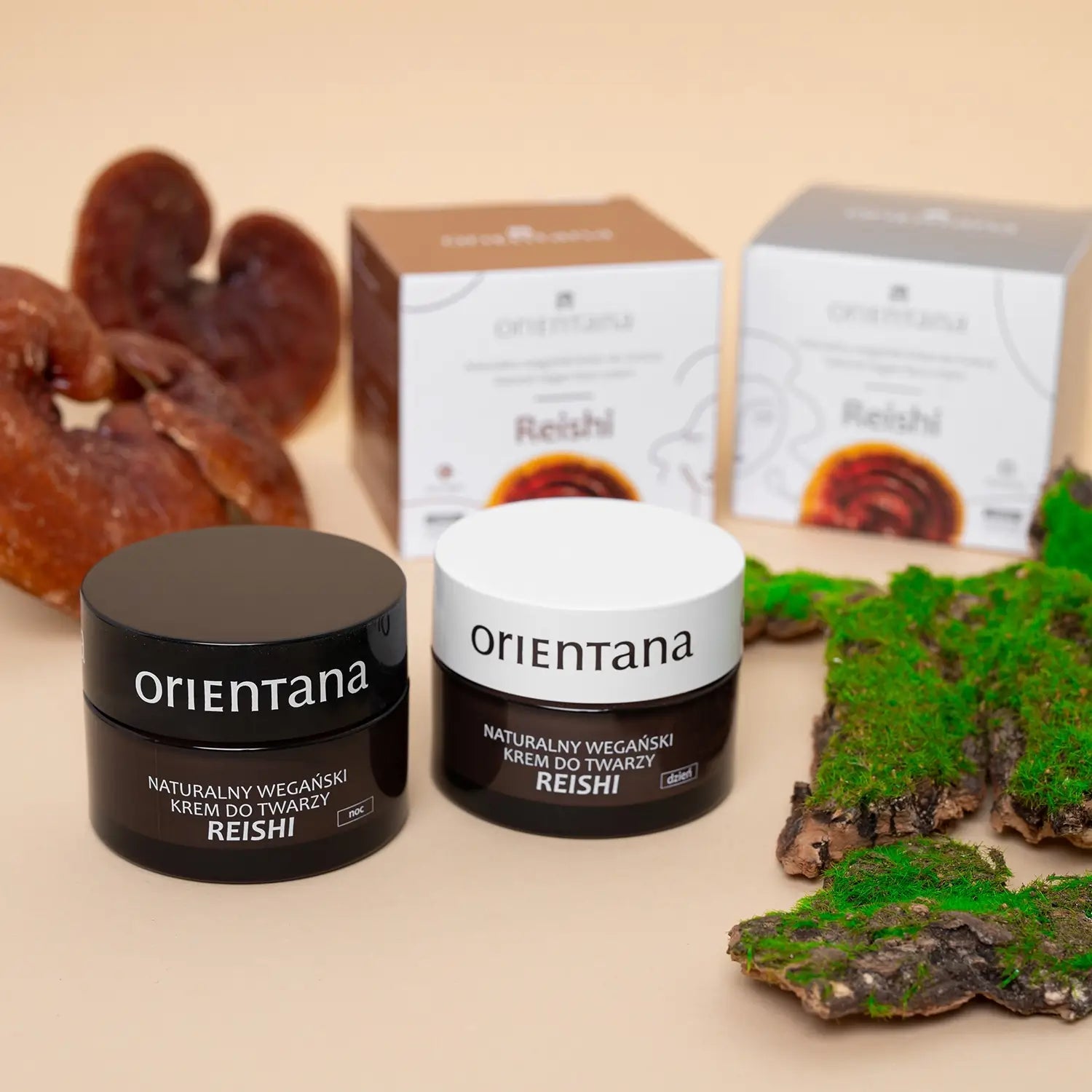
Day and night rejuvenating care

bezpieczna płatność

Program lojalnościowy OrientKlub +

Darmowa dostawa od 129 zł

Próbki produktów do zamówień

Pełna oferta marki Orientana

Naturalne i przebadane składy
Your skin comes into contact with numerous external factors every day: pollution, UV radiation, dry air, temperature changes, and cosmetics. The skin's hydrolipid barrier is the first line of defense—it protects against dehydration, irritation, and the penetration of harmful substances.
When the barrier functions properly, skin is soft, smooth, elastic, and resilient. When it is weakened, dryness, tightness, hypersensitivity, redness, and inflammation quickly appear.
By reading the text you will learn:
- what is the hydrolipid barrier of the skin,
- what it consists of and what functions it performs,
- what are the symptoms of its damage,
- how to rebuild the hydrolipid barrier step by step,
- what ingredients and Orientana cosmetics particularly support it.
- home remedies to support the barrier (DIY)
- hydrolipid barrier and skin type
- How to recognize the degree of damage to the hydrolipid barrier?
- what to avoid when rebuilding the hydrolipid barrier
What is the skin's hydrolipid barrier?
The hydrolipid barrier is a thin, protective layer on the surface of the epidermis. It is formed by a mixture of lipids (fats), water, and cells from the stratum corneum. It can be compared to a wall in which:
- epidermal cells are "bricks",
- lipids are the "mortar",
- and water is responsible for the flexibility of the structure.
Its main function is to retain moisture in the skin and protect it from external factors . Damage to this barrier causes increased TEWL (transepidermal water loss), which leads to dryness and hyperreactivity of the skin.
Composition of the hydrolipid barrier
Skin lipids
The most important lipids are:
- ceramides,
- cholesterol,
- free fatty acids.
They are responsible for the tightness of the barrier and preventing water loss.
NMF - Natural Moisturizing Factor
A complex of water-binding substances, including:
- hyaluronic acid,
- amino acids,
- urea,
- lactates.
Provides skin with softness and comfort.
Keratinocytes
Keratin-producing epidermal cells build the mechanical structure of the skin and participate in its regeneration.
Functions of the hydrolipid barrier
- protection against moisture loss,
- protection against pollutants and allergens,
- skin microbiome support,
- pH regulation,
- support for regenerative and healing processes.
Symptoms of a damaged hydrolipid barrier
- dryness and flaking,
- feeling of tightness after washing,
- burning, itching, redness,
- hypersensitivity to cosmetics,
- tendency to acne, atopic dermatitis and inflammation.
What most often destroys the hydrolipid barrier?
- aggressive detergents,
- too frequent peelings and acids,
- overuse of retinoids,
- alcohol in cosmetics,
- no SPF protection,
- dry air, frost, wind,
- stress and nutritional deficiencies.
If you use retinol, check What cream to use after retinol to regenerate the skin after treatment and rebuild the hydrolipid barrier.
How to rebuild the hydrolipid barrier? - step-by-step care
1. Gentle cleansing
Mild detergents without SLS/SLES.
Orientana: Gentle face wash gel with dates and inulin.
2. Toning and essence
pH restoration and pre-moisturization.
Orientana: Revitalizing toning lotion with Date and Gluconolactone, Rose tonic Soothing.
3. Barrier Strengthening Serum
Preferably with ceramides, humectants and soothing ingredients.
Orientana:
- Advanced Skin Repair Serum Reishi Cerafluid®
- Ashwagandha + CICA + Niacinamide serum
- Hydrating serum-ampoule with ashwagandha
- Hydro Tremella Elixir serum with exosomes
4. Lipid rebuilding cream
Orientana:
- Reishi Day/Night Cream
- Snail slime cream
- Ceramide Yuzu Cream Mask
- Sandalwood and Turmeric Balance Cream
See how snail slime affects the skin barrier.
5. Daily SPF protection
Sunscreen protects skin lipids from degradation.
For more information on how to rebuild the hydrolipid barrier, please refer to the guide .
Find out how to care for the hydrolipid barrier in autumn.
The most important ingredients supporting the hydrolipid barrier
Ceramides
They replenish lipid deficiencies and increase the tightness of the barrier.
Hyaluronic acid and NMF components
They intensively bind water in the epidermis.
Natural vegetable oils
They rebuild the lipid layer and improve skin elasticity.
Niacinamide
Strengthens the barrier, reduces TEWL and has anti-inflammatory properties.
Adaptogens
They reduce skin reactivity and accelerate barrier regeneration.
Read which Orientana cosmetics support the microbiome and the hydrolipid barrier .
Home remedies to support the barrier (DIY)
- yogurt and honey masks,
- aloe serum with jojoba oil,
- cream with shea butter and avocado oil,
- rose tonic with glycerin.
Treat them as support, not a replacement for daily care.
Find out how ashwagandha supports skin regeneration and immunity.
Hydrolipid barrier and skin type
Hydrolipid barrier and dry skin
Dry skin often has a naturally reduced amount of lipids in the stratum corneum, which makes its protective barrier thinner and less permeable. This manifests itself through a quick feeling of tightness, roughness, and a tendency to flake. Ceramides, natural plant oils, and hyaluronic acid are key ingredients in skincare, as they rebuild the barrier structure and limit water loss. Dry skin responds particularly well to richer, regenerating creams and serums.
Hydrolipid barrier and sensitive skin
In sensitive skin, the hydrolipid barrier is usually compromised, causing the skin to react with burning, redness, and itching even to mild stimuli. Rebuilding the barrier reduces skin reactivity and improves its tolerance to cosmetics. It's worth choosing formulas with ceramides, niacinamide, CICA, and soothing ingredients, while avoiding alcohol and strong fragrances.
Hydrolipid barrier and acne-prone skin
Acne-prone skin often has both an overproduction of sebum and a weakened hydrolipid barrier. Excessive drying of the skin to "fight acne" worsens the problem and increases inflammation. Strengthening the barrier helps reduce TEWL, reduce irritation, and stabilize sebaceous gland function. Light serums with ceramides and niacinamide, as well as regenerative creams, are the best.
The hydrolipid barrier and mature skin
With age, the skin's natural production of lipids and ceramides declines, leading to a weakening of the protective barrier and accelerated water loss. Mature skin becomes thinner, drier, and less elastic. Regular use of cosmetics that strengthen the hydrolipid barrier improves skin firmness, smooths wrinkles, and increases comfort.
How to recognize the degree of damage to the hydrolipid barrier?
Slightly weakened barrier
Skin can sometimes feel dry, slightly tight, and less comfortable after washing. A gentler cleanser, a moisturizing toner, and a ceramide cream are all that's needed.
Moderately damaged barrier
Regular sensations of tightness, burning, redness, and hypersensitivity to cosmetics appear. It's necessary to limit acids and exfoliants and use regenerating serums and richer creams.
Heavily damaged barrier
The skin is very dry, flaky, itchy, and prone to inflammation. It requires minimal care, lipid-replenishing products, and consistent SPF protection.
What to avoid when rebuilding the hydrolipid barrier
- aggressive gels and foams with SLS/SLES
- mechanical peels and facial brushes
- frequent use of high concentrations of acids and retinoids
- cosmetics with alcohol denat.
- washing your face with hot water
- frequent product changes
The simpler and more soothing the care, the faster the hydrolipid barrier regenerates.
Questions
Can oily skin also have a damaged hydrolipid barrier?
Yes, overproduction of sebum does not mean a proper barrier – oily skin can also be dehydrated and sensitive.
Can acids be used on a damaged barrier?
During regeneration, it is better to discontinue them or use them very rarely and in low concentrations.
Can oils clog when rebuilding the barrier?
Well-selected vegetable oils do not clog pores and support the reconstruction of skin lipids.
Does the hydrolipid barrier rebuild itself?
The skin has the ability to regenerate itself, but proper care significantly accelerates this process.
Is the hydrolipid barrier more vulnerable to damage in winter?
Yes, frost, wind and dry air increase water loss from the skin.
Does washing your face frequently weaken the barrier?
Yes, cleansing too often can remove the skin's natural lipids.
Does the hydrolipid barrier affect skin aging?
Yes, a weakened barrier accelerates the loss of elasticity and wrinkle formation.
Does makeup interfere with barrier reconstruction?
No, as long as it is removed thoroughly and gently.
Can ceramides be combined with niacinamide?
Yes, this is a very beneficial combination for the skin barrier.
Does stress worsen the hydrolipid barrier?
Yes, chronic stress weakens the skin's protective mechanisms.
Does the hydrolipid barrier play a role in redness and capillaries?
Yes, strengthening it reduces skin hyperreactivity.
Can the hydrolipid barrier be restored?
Yes – with regular, gentle care.
How long does regeneration take?
Most often 3–6 weeks.
Can ceramides be used daily?
Yes, even twice a day.
Does a damaged barrier cause acne?
Yes, it increases susceptibility to inflammation.
Does diet matter?
Yes – especially omega-3 fatty acids, vitamins A, C, E and adequate hydration.
Is SPF necessary for barrier reconstruction?
Yes, without UV protection regeneration is difficult.